Harnessing the Potential of Aluminum Foundry: Key Benefits, Significance, and Who Stands to Gain
The aluminum casting industry holds a vital position in today's manufacturing landscape. Its processes enhance efficiency while providing significant benefits such as durability, reduced weight, and sustainable recyclability. Various industries, from automotive to aerospace, stand to benefit greatly. However, the challenges and innovations within this field raise important questions. What are the implications of these advancements? Comprehending the subtleties can demonstrate how key players might successfully leverage these possibilities.
A Guide to Aluminum Foundry Processes: What You Need to Know
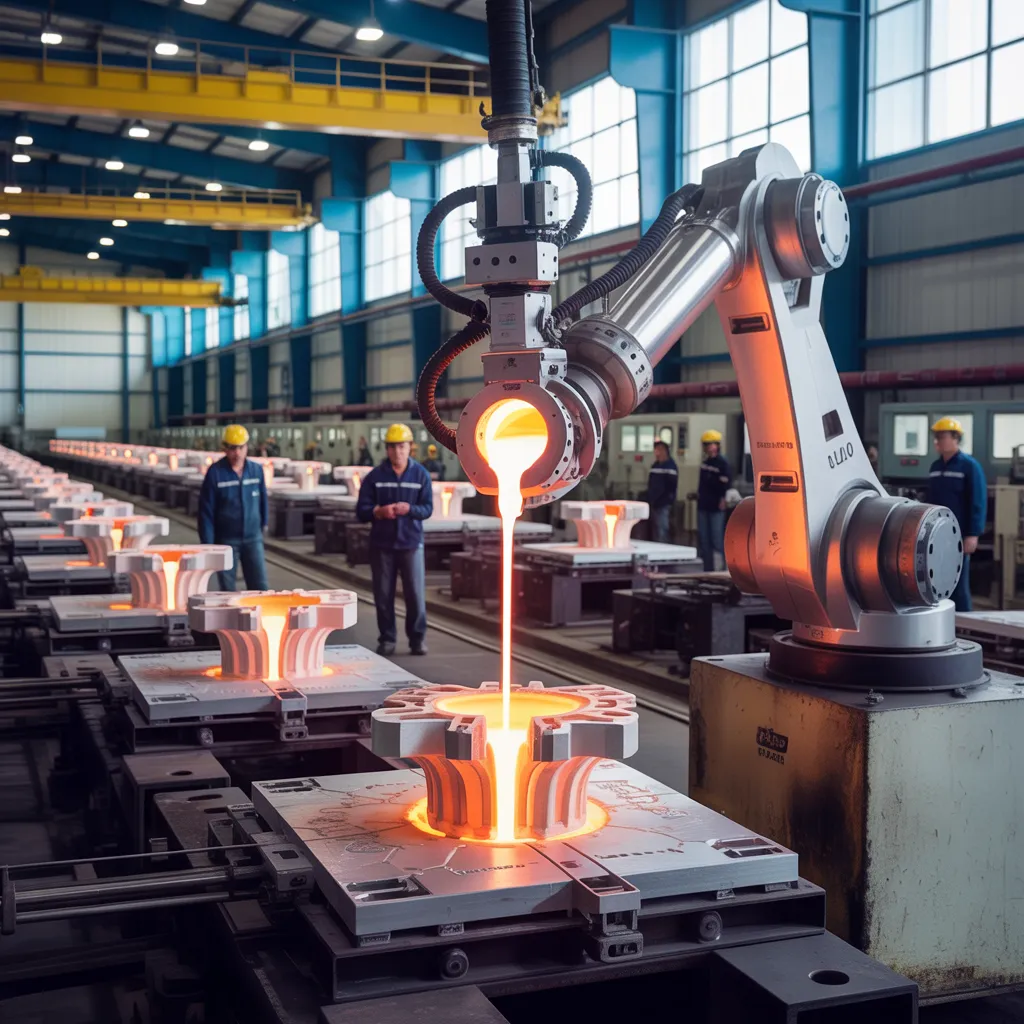
Why are aluminum foundry processes critical to contemporary manufacturing? Such processes are vital for turning raw aluminum into practical components used across diverse industries. The aluminum foundry process encompasses several critical stages, including melting, molding, and cooling. Each stage requires meticulous control to achieve desired specifications and quality standards.
In the melting phase, aluminum ingots or recycled materials are brought to their melting temperature, providing the perfect viscosity needed for casting. Molding involves pouring the molten aluminum into pre-designed molds, that can be customized to meet particular application requirements. During the cooling stage, the aluminum is permitted to harden and solidify, producing robust parts that satisfy demanding performance standards.
Additionally, aluminum foundry techniques can accommodate complicated geometries, making them appropriate for creating detailed parts. This versatility, paired with the low-weight characteristics of aluminum, establishes foundry processes as a vital component in manufacturing industries, advancing product efficiency and innovation.
Leading Benefits of Aluminum in Manufacturing: Strength, Weight, and Cost
Aluminum's remarkable strength-to-weight balance makes it a popular choice in various manufacturing applications. This benefit supports the manufacturing of sturdy yet light elements, optimizing general efficiency. Furthermore, its cost-effective production solutions contribute to its common utilization across industries.
Superior Strength-to-Weight Ratio
The outstanding strength-to-weight ratio of aluminum establishes it as a favored option in various manufacturing applications. This unique property enables manufacturers to produce reduced-weight structures without sacrificing structural soundness. In sectors including aerospace, automotive, and construction, the low density of aluminum facilitates significant weight savings, which can enhance fuel efficiency and reduce transportation costs. Aluminum alloy strength further enhances their adaptability, facilitating the manufacture of elements designed to handle rigorous demands. Additionally, the potential to develop more slender yet resilient elements opens up new possibilities for innovative products. Consequently, the union of resilience and decreased weight sets aluminum apart as a superior material in contemporary production, promoting effectiveness and capability throughout numerous fields.
Affordable Manufacturing Solutions
Manufacturers increasingly recognize aluminum not only for its strength and lightweight characteristics but also for its economic advantages. The material's guide affordability, combined with its resilience, makes it a compelling choice for numerous manufacturing applications. Production processes, such as die casting and extrusion, streamline manufacturing operations, reducing both production time and labor expenditures. Furthermore, aluminum's ability to be recycled helps reduce long-term costs, as recycled aluminum needs significantly less energy to manufacture compared to virgin materials. This cost-related benefit attracts companies seeking to improve profitability while upholding strict quality benchmarks. Taken together, aluminum provides a balanced solution that promotes environmentally responsible manufacturing and delivers a market advantage in manufacturing, making it a preferred choice for financially mindful manufacturers.
Increasing Production Efficiency Using Aluminum Foundry Techniques
Aluminum foundry techniques significantly improve production efficiency by optimizing manufacturing workflows. By refining operations and cutting down on material waste, these approaches enable shorter lead times. Additionally, the superior characteristics of aluminum result in stronger and lighter end products, further benefiting manufacturers.
Streamlined Manufacturing Processes
Optimizing manufacturing processes via aluminum foundry practices improves production efficiency significantly. Such approaches enable quicker mold creation and reduced lead times, resulting in accelerated turnaround for projects. Automation serves a critical function, as sophisticated equipment minimizes manual labor and errors, guaranteeing uniform production quality. Furthermore, the ability to produce complex shapes and cut down on waste supports operational sustainability and cost savings. Through the adoption of lean manufacturing practices, foundries are able to maximize resource efficiency, additionally improving overall efficiency. The integration of real-time monitoring systems enables better management of production workflows and stock levels, permitting timely changes as circumstances demand. Altogether, these refined operations not only enhance productivity but also strengthen market competitiveness.
Superior Material Qualities
The benefits of aluminum foundry techniques extend beyond efficient manufacturing processes to encompass improved material properties that significantly boost production efficiency. These properties, such as improved strength-to-weight ratios and corrosion resistance, allow for the creation of lightweight yet durable components. The casting process enables the production of complex shapes, reducing the need for additional machining and minimizing material waste. This results not only in reduced costs but also in faster production schedules. Moreover, aluminum's superior thermal and electrical conductivity renders it an optimal selection for numerous applications spanning industries from automotive to aerospace. By capitalizing on these improved material properties, manufacturers can attain greater performance levels while preserving sustainability and decreasing their total environmental footprint.
Green Initiatives in Aluminum Foundry: Environmental Gains and Approaches
Prioritizing sustainability, the aluminum casting industry has achieved significant progress in reducing its environmental footprint. Breakthroughs in recycling methods have empowered foundries to utilize up to 95% recycled aluminum, significantly reducing energy consumption and greenhouse gas emissions compared to virgin aluminum production. Additionally, modern casting processes decrease waste and optimize material efficiency, further contributing to sustainable practices.
Many foundries are also adopting cleaner energy sources, such as solar and wind power, to minimize dependence on fossil fuels. Water usage is being optimized through closed-loop recycling systems, guaranteeing minimal impact on the environment. Furthermore, the field is progressively concentrating on the responsible procurement of raw materials, highlighting ethical standards and supply chain transparency.
Such initiatives not only reflect a commitment to sustainable environmental practices but also support worldwide sustainability objectives, establishing the aluminum foundry industry at the forefront of green manufacturing standards.
What Industries Benefit From Aluminum Foundry Innovations?
Advancements in aluminum casting methods not only promote sustainability but also considerably aid a number of industries. The vehicle production industry, for instance, utilizes light aluminum parts to enhance fuel economy and overall performance. Aircraft makers utilize sophisticated aluminum compounds for their strength-to-weight ratio, which is critical for the design and safety of aircraft.
In addition, the construction sector continues to adopt aluminum for its durability and resistance to environmental damage, allowing for more sustainable building practices. Electronics manufacturers take advantage of aluminum's outstanding ability to conduct heat, supporting better heat dissipation in modern devices. The retail goods market similarly relies on aluminum for innovative packaging applications, promoting recyclability and reducing environmental impact.
Furthermore, the clean energy sector leverages aluminum in solar panels and wind turbines, supporting more sustainable energy solutions. Taken together, these innovations in aluminum foundry processes drive efficiency, performance, and sustainability across multiple industries, showcasing the material's versatility and significance.
Advancing Trends in Aluminum Foundry: What Lies Ahead
With industries increasingly focusing on environmental responsibility and operational efficiency, upcoming advancements in aluminum foundry techniques are set to revolutionize this field. Developments such as artificial intelligence and advanced automation are expected to enhance manufacturing efficiency and decrease material waste. Smart manufacturing techniques will allow for real-time monitoring and optimization of the casting process, leading to superior quality results.
Moreover, the incorporation of green practices, such as using recycled aluminum and minimizing energy consumption, will play a significant role in shaping the future landscape. The implementation of 3D printing technology is projected to support more complex designs and minimize lead times, further enhancing industry standing.
Furthermore, the creation of lightweight aluminum alloys will cater to the increasing demand in sectors like automotive and aerospace, where weight minimization is paramount. As a whole, these advancements will not only optimize operational efficiencies but also support a more progressive and sustainable aluminum foundry industry.
Common Questions and Answers
What Safety Measures Are Necessary in Aluminum Foundries?
In aluminum foundries, critical safety protocols encompass proper ventilation, necessary personal protective equipment, scheduled equipment maintenance, instruction on handling hazardous materials, and emergency response procedures to minimize hazards from high temperatures, liquid metal, and exposure to harmful chemicals.
In What Ways Does Aluminum Recycling Influence Foundry Operations?
Aluminum recycling considerably enhances foundry operations by lowering raw material expenses, reducing waste generation, and reducing energy usage. This sustainable practice not only boosts efficiency but also promotes environmental sustainability, encouraging a circular economy within the industry.
What Is the Life Expectancy of Aluminum Castings?
The lifespan of aluminum castings generally spans from 10 to 50 years, based on surrounding environmental factors, alloy composition, and specific application. Proper maintenance and care can notably extend their resilience and functionality over time.
What Specific Certifications Are Available for Aluminum Foundry Workers?
Yes, specific certifications exist for professionals employed in aluminum foundry operations, among them certifications provided by organizations like the American Foundry Society organization. These credentials confirm workers are knowledgeable about safety standards, casting techniques, and quality control in aluminum production processes.
How Do Small Businesses Gain Access to Aluminum Foundry Services?
Small business owners can utilize aluminum foundry services by investigating regional foundries, establishing partnerships, using digital platforms to request quotes, and participating in industry events to network and connect with potential suppliers for their specific needs.